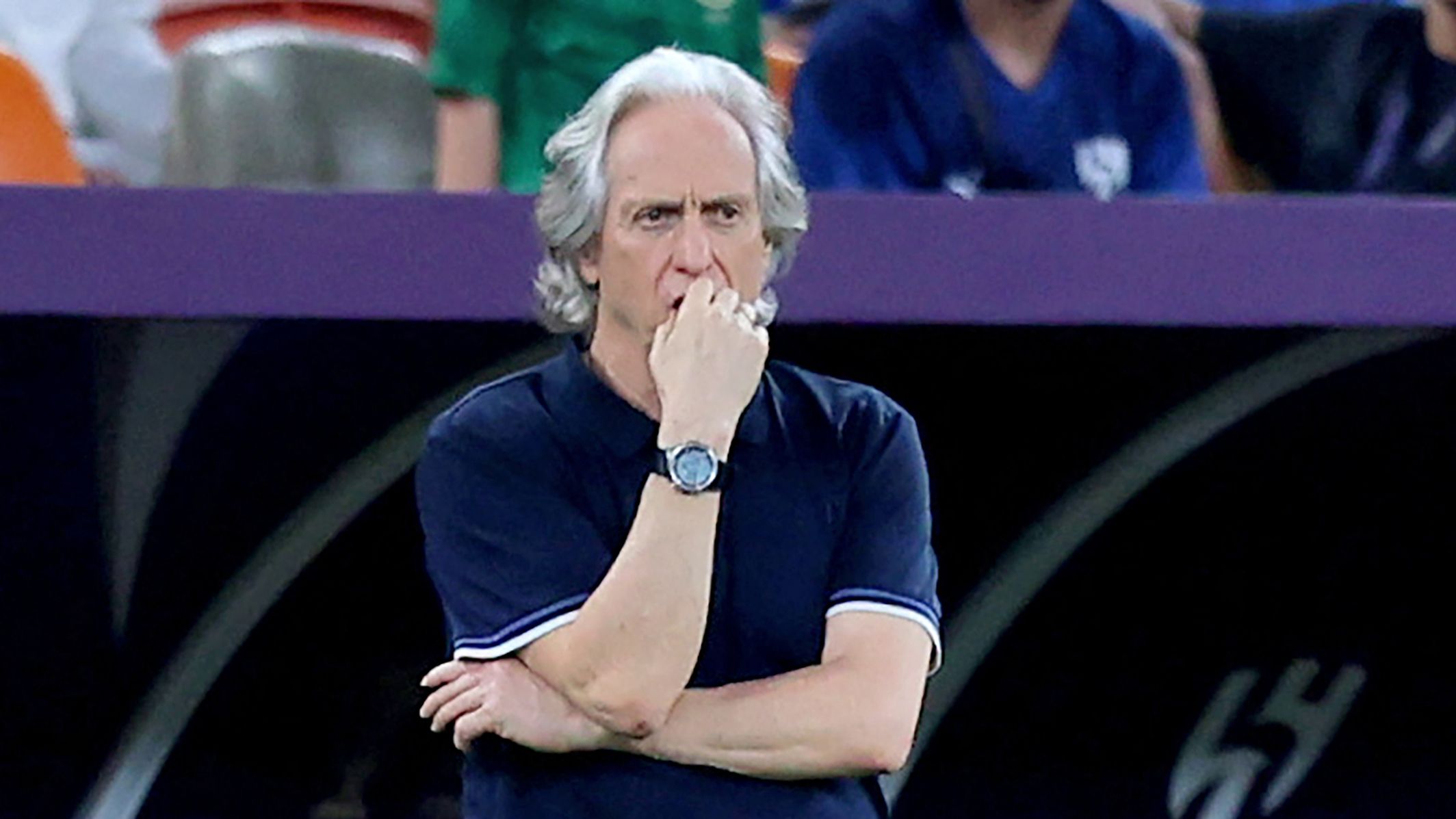
Jorge Jesus Shuts Down Al-Hilal Exit Rumors: 'Crazy Talk!' Amidst Intense Spotlight
The world of football management is perpetually rife with speculation, but few figures command attention quite like Jorge Jesus. The veteran Portuguese coach, a prominent figure whose career has spanned multiple top-tier clubs, has recently found himself at the center of a swirling vortex of rumors regarding his future at Saudi Arabian giants Al-Hilal. With characteristic bluntness, Jesus has definitively dismissed these claims, branding them as "crazy talk!" His emphatic denial comes at a critical juncture for Al-Hilal, as they navigate a demanding schedule and intense competition in the Saudi Pro League.
The constant scrutiny and speculation surrounding top coaches like Jorge Jesus highlight his undeniable `jorge jesus destaque` in the global football landscape. His track record of success and demanding style mean that every twitch and turn in his team's performance is magnified, often leading to premature conclusions about his tenure. This latest episode is a testament to the high-stakes environment in which elite managers operate.
Unpacking the Rumors: Dissatisfaction, Draws, and Dropping the Lead
The whispers of an impending departure for Jorge Jesus began to circulate even before Al-Hilal's recent clash with Damac. Reports suggested that the Al-Hilal board was growing dissatisfied with the team's performance and recent results. This speculative environment was undoubtedly fueled by the immense pressure and high expectations placed upon a club of Al-Hilal's stature, especially given the significant investments made in its squad.
The match against Damac, which ultimately ended in a 1-1 draw, only served to intensify these rumors. The draw was particularly impactful as it caused Al-Hilal to relinquish their top spot in the league standings to rivals Al-Ittihad, managed by fellow Portuguese coach Nuno Espírito Santo. The narrative, as it often does in football, quickly shifted from concern to crisis in the public eye, despite Al-Hilal remaining undefeated in the league. For any coach, losing a lead, even without a loss, can trigger a flurry of negative commentary and put their position under review. This is especially true in a league that has seen a massive influx of talent and a corresponding rise in competitive intensity and media attention.
The confluence of alleged directorial dissatisfaction, a high-profile draw, and the loss of the league leadership created a fertile ground for transfer speculation. However, Jorge Jesus was quick to stamp out the fire, addressing the rumors directly after the Damac game.
Jesus's Vehement Denial and Al-Hilal's Strong Position
Contacted by ESPN Brasil, Jorge Jesus wasted no time in refuting the claims. His message was clear and unequivocal: "Al-Hilal is in first place in the championship without defeats. That is crazy talk!" This statement not only served as a powerful denial but also as a crucial reminder of his team's overall strong performance despite the recent stumble. The emphasis on being "undefeated" underscores Jesus's perspective that a single draw, while disappointing, does not negate the team's consistent excellence throughout the season.
His firm stance is characteristic of a manager who understands the importance of projecting confidence and stability, not just to the media but also to his players and the club's supporters. In the high-pressure world of professional football, a manager's public composure and conviction can significantly influence team morale and performance. The `jorge jesus destaque` has always been his ability to instill a winning mentality and command respect, and this denial reaffirms that characteristic.
Beyond the immediate denial, Jesus offered a reasoned explanation for the team's slightly less positive run of results: player fatigue. He highlighted the demanding schedule, stating, "My players are tired of this great pressure that arises from consecutive games. We played three matches in six days."
The Realities of Modern Football: Fatigue and Performance
Jorge Jesus's justification regarding player fatigue touches upon a critical and often overlooked aspect of modern football: the relentless fixture congestion. Top teams, particularly those competing on multiple fronts (domestic league, cup competitions, continental tournaments), face incredibly compressed schedules.
Consider the implications of playing three matches in six days:
- Physical Toll: Players have insufficient time for recovery, leading to muscle fatigue, increased risk of injury, and reduced explosiveness and endurance.
- Mental Exhaustion: The constant travel, pressure to perform, and limited downtime can lead to mental burnout, impacting decision-making, concentration, and tactical discipline during matches.
- Limited Training: With games every two days, tactical preparation and specific training drills are severely curtailed. Most sessions become focused on recovery and light pre-match activation.
- Squad Depth Challenges: Even with large squads, maintaining peak performance across all players becomes a monumental task, necessitating rotation which can sometimes disrupt team chemistry and rhythm.
These factors collectively explain why even highly skilled teams can experience dips in form, leading to draws or narrow victories instead of comprehensive wins. Jesus's acknowledgment of this issue is not an excuse but a pragmatic assessment of the operational challenges faced by elite clubs today. It also highlights his focus on the well-being of his squad, a trait that successful coaches share. For more insights into how coaches manage such challenges, explore
Al-Hilal's Recent Results: Jorge Jesus Blames Player Fatigue.
Jorge Jesus: A Career Defined by Passion and Meticulous Planning
Jorge Jesus's career is marked by an unwavering dedication to his tactical philosophy and a demanding, hands-on approach. From his celebrated stints at Benfica, where he built formidable teams, to his highly successful spell with Flamengo, he has consistently demonstrated an ability to transform clubs and deliver silverware. His return to clubs, such as his second tenure at Benfica, often comes with a comprehensive plan and a meticulously assembled technical staff.
For instance, when he returned to Benfica, his technical team included figures like Paulo Lopes as a goalkeeping coach (moving up from the U23s) and Evandro Mota as a mental coach. This illustrates Jesus's holistic approach to coaching, recognizing that success isn't just about physical conditioning but also psychological resilience and highly specialized support. The inclusion of a mental coach is particularly pertinent when discussing player fatigue; it suggests an understanding that mental wellness is as crucial as physical health in navigating the pressures of top-tier football. This comprehensive team-building philosophy is a hallmark of his `jorge jesus destaque` as a leader. To delve deeper into the structure and personnel he values, see
Jorge Jesus's Benfica Return: Meet His New Technical Team.
His passion for the game and his drive for excellence often put him in the spotlight, and not always without controversy. However, it is precisely this intensity and commitment that make him a sought-after manager. His current denial serves to reaffirm his commitment to Al-Hilal and to steady the ship amidst turbulent waters.
The Broader Context: High Stakes in the Saudi Pro League
The Saudi Pro League has, in recent seasons, become a global football hotspot, attracting numerous world-class players and coaches. This influx of talent has significantly raised the stakes, transforming the league into a highly competitive arena where every point is fiercely contested. Clubs like Al-Hilal operate under immense pressure to deliver consistent results and, more importantly, trophies.
For a club that has invested heavily and aims for dominance, even a single draw can trigger alarm bells among sections of the fanbase and media. The rivalry with teams like Al-Ittihad, led by a capable manager like Nuno Espírito Santo, adds another layer of intensity. In such an environment, the role of the coach becomes even more critical, not just in terms of tactics but also in managing expectations, maintaining team morale, and deflecting external pressure. Jorge Jesus's experience in similar high-pressure leagues around the world makes him uniquely suited to navigate these challenges.
Conclusion: Steering the Ship Through Choppy Waters
Jorge Jesus's resolute denial of the Al-Hilal exit rumors is a powerful statement of intent. By labeling the speculation "crazy talk" and highlighting his team's undefeated league record, he aims to restore calm and focus within the club. His explanation, attributing recent struggles to an unforgiving schedule and player fatigue, provides a logical and understandable context for a team navigating the demanding realities of modern football. As a manager whose `jorge jesus destaque` is defined by an unwavering pursuit of victory and a deep understanding of the game's complexities, his commitment to Al-Hilal appears steadfast. The challenge now for Jesus and his squad will be to convert their undeniable talent and a grueling schedule into renewed momentum, ensuring Al-Hilal remains firmly in the hunt for all available silverware. The spotlight on Jorge Jesus will undoubtedly remain intense as the season progresses.